Sparal

Buyer guide / Retail and specialty

Textile dye material compatibility.

Plan textile dye custom pouch packaging for material compatibility with material fit, MOQ context, quality checks, failure risks, sample evidence, and quote-ready inputs.

Textile dye material compatibility custom pouch packaging guide by Sparal Packaging

Custom packaging

Get textile dye packaging ready to quote.

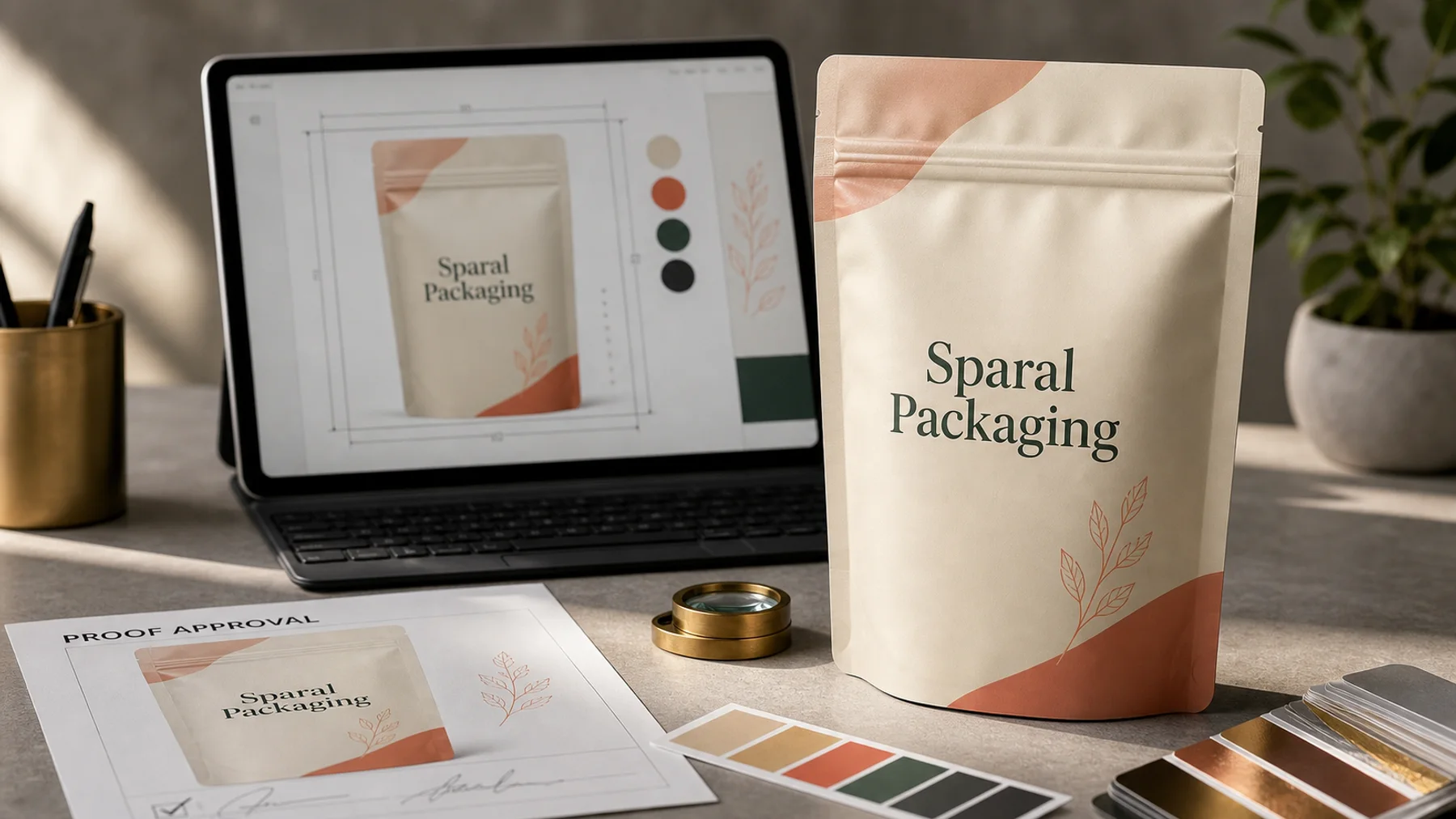
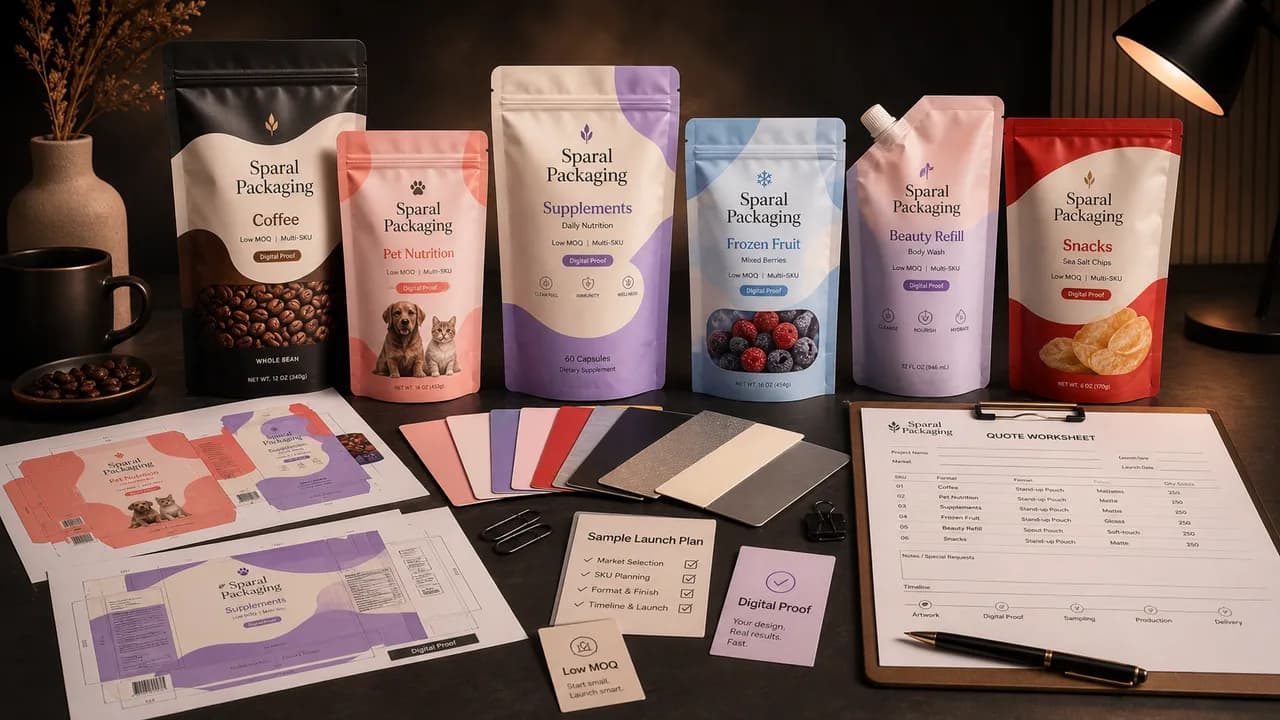
Tell us what you are packing, the pouch style you want, and how many versions you need. Sparal can help match textile dye with material compatibility, the right film, finish, features, proof timing, and order quantity.

Popular setup

Material compatibility

Start here if you want custom-printed pouch packaging with shelf presence, clean artwork, and options for finishes, closures, windows, valves, or other features.

Send for pricing

Artwork, size, quantity, timing.

Include formula type, warning copy, color count, kit contents, film structure, product sensitivity, storage condition, filling method, shelf-life goal, target quantity, sku count, artwork status, launch timing. If some details are still open, send what you have and we can help narrow the options.

Ordering path

Build your pouch order.

Choose the product, format, material, proof plan, and quote details we need to price your packaging.

Quote details

formula type, warning copy, color count, kit contents, film structure, product sensitivity, storage condition, filling method, shelf-life goal, target quantity, sku count, artwork status, launch timing

Production confidence

See what gets checked before print.

A strong order starts with the right product details, material choice, artwork files, and approval plan.

Packaging details

Choose the details that make the pouch work.

01

Start with product behavior

Confirm formula compatibility, viscosity, fill volume, spout diameter, cap torque, headspace, leak testing, and whether the pouch needs a standing base after partial use.

02

Format and material fit

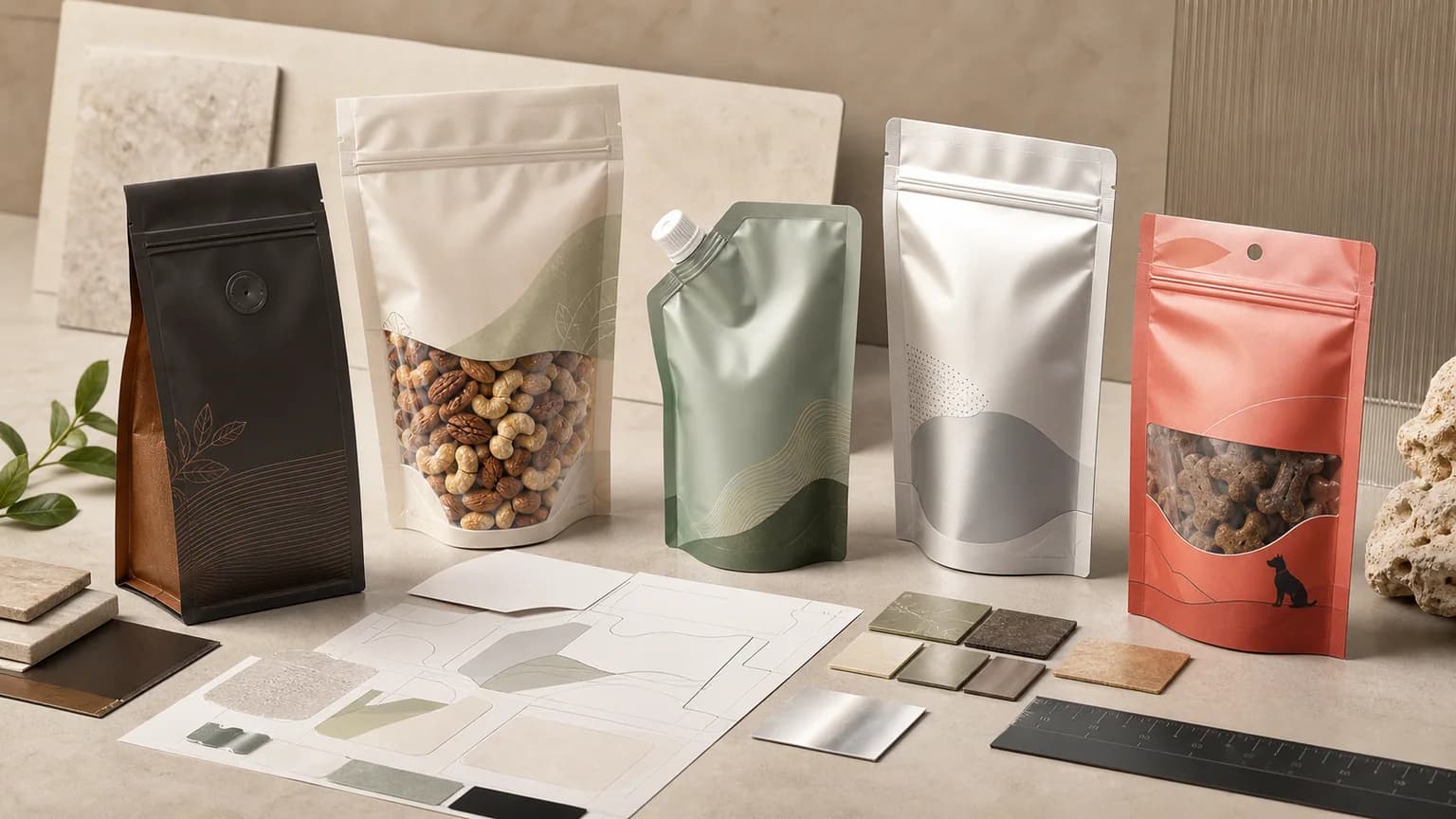
Stand-up pouch with formula-compatible film by project is a starting point. Confirm whether box, bottle, or sachet is being replaced for weight, shelf presence, refill behavior, visibility, or low MOQ testing.

03

Claim and channel risk

Material language should stay tied to verified performance, channel requirements, and any sustainability or food-contact claims that the business can support.

04

Failure modes

Common failure modes include weak seals, unclear hierarchy, poor fill fit, feature choices that do not match product behavior, and artwork that cannot adapt across SKUs.

05

Quote inputs

Send formula type, warning copy, color count, kit contents, film structure, product sensitivity, storage condition, filling method, shelf-life goal, target quantity, sku count, artwork status, launch timing.

Quote checklist

What to send for a faster quote.

These details help us recommend the right pouch, confirm production options, and price your project with fewer back-and-forth emails.

Product

Textile dye

Buyer question

Material compatibility

Format start

Stand-up pouch

Material start

Formula-compatible film by project

Current pack to beat

box, bottle, or sachet

MOQ planning

Planning range: start around 100-500 pouches per SKU when materials and fitments are available; confirm MOQ, fitment availability, proof timing, and production lead time in the quote.

Evidence needed

Confirm formula compatibility, viscosity, fill volume, spout diameter, cap torque, headspace, leak testing, and whether the pouch needs a standing base after partial use.

Quality checks

Quality review should cover dieline fit, print proof approval, matte finish expectations, sample fill behavior, seal strength, closure or feature fit, barcode and claim placement, and ship-test notes before scaling.

Quote inputs

formula type, warning copy, color count, kit contents, film structure, product sensitivity, storage condition, filling method, shelf-life goal, target quantity, sku count, artwork status, launch timing
Why it works

Built for real product launches.

01

Answers a buyer question that usually appears after the team is already considering stand-up pouch.

02

Connects textile dye to material, sample, quality, and failure evidence instead of a generic packaging article.

03

Turns buyer research into a pricing path with concrete inputs and a next decision.

FAQ

Questions before you order.

01

What should I prepare before requesting a textile dye pouch quote?

Prepare formula type, warning copy, color count, kit contents, film structure, product sensitivity, storage condition, filling method, shelf-life goal, target quantity, sku count, artwork status, launch timing.

02

What usually delays textile dye packaging?

Common delays come from unclear artwork ownership, missing dieline details, unresolved material assumptions, sample approval loops, and vague quantity or launch timing.

03

What should be validated before scaling textile dye packaging?

Confirm formula compatibility, viscosity, fill volume, spout diameter, cap torque, headspace, leak testing, and whether the pouch needs a standing base after partial use. Common failure modes include weak seals, unclear hierarchy, poor fill fit, feature choices that do not match product behavior, and artwork that cannot adapt across SKUs.

Ready to build?

More SKUs. Lower risk. Stronger brands.

Send formats, quantities, artwork count, and target timeline. We will map the fastest low-risk path to proof and production.

Sparal Packaging shipment and market-ready custom pouch cases